01
What to Do in the First 30 Minutes After Discovering Water Damage
The first half hour after discovering water in your Charlotte home can make the difference between a manageable cleanup and a major restoration project. Your first priority is safety—turn off the power to the affected area if you can do so without stepping in water, and move family members and pets to dry ground.
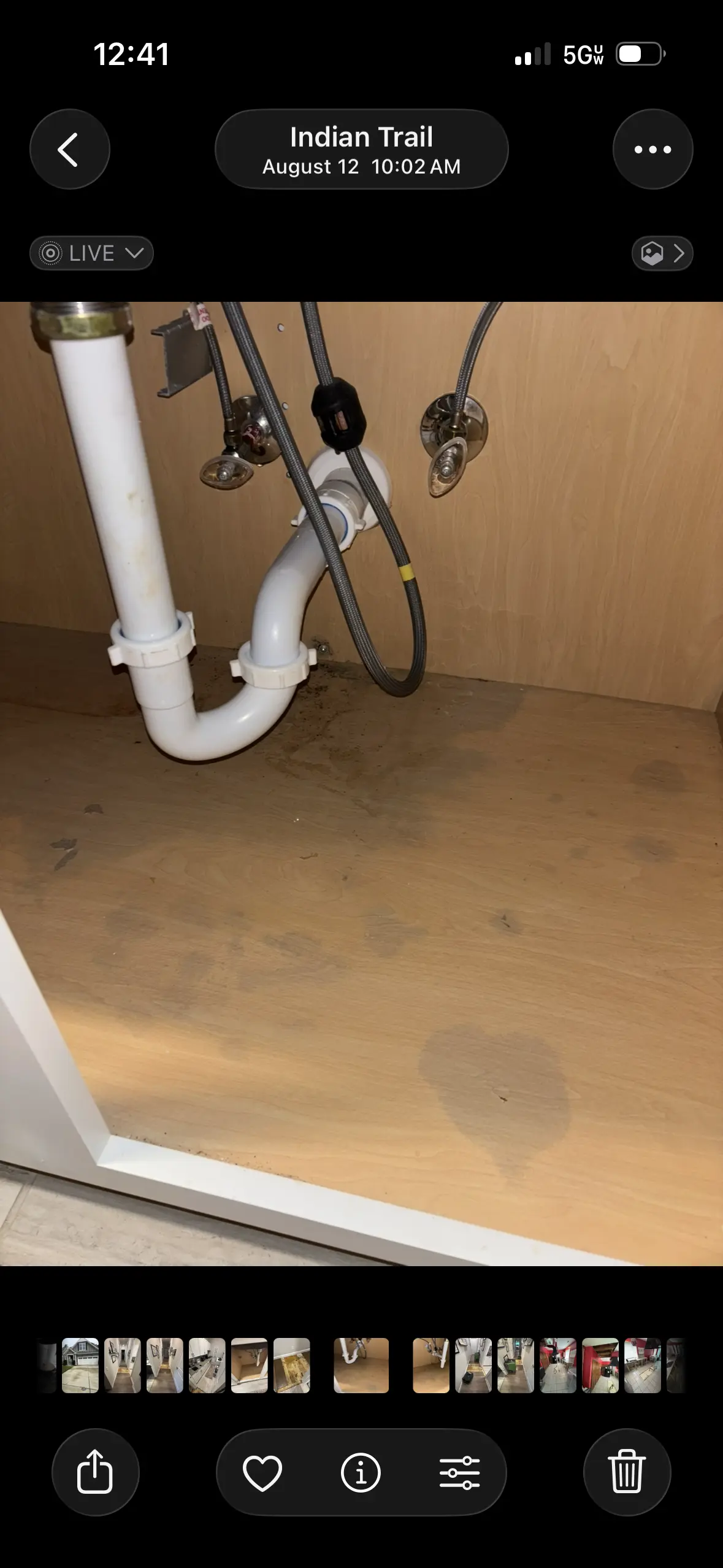
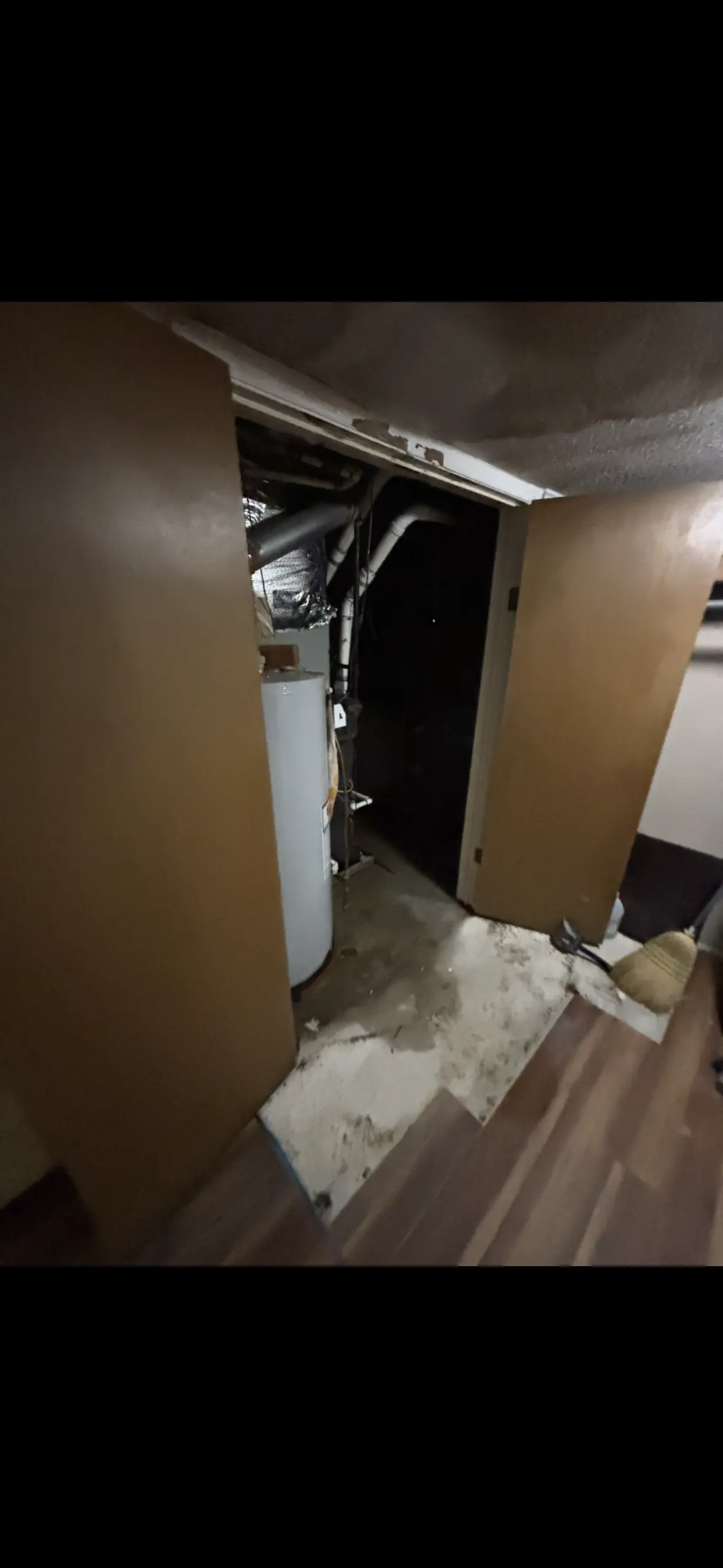
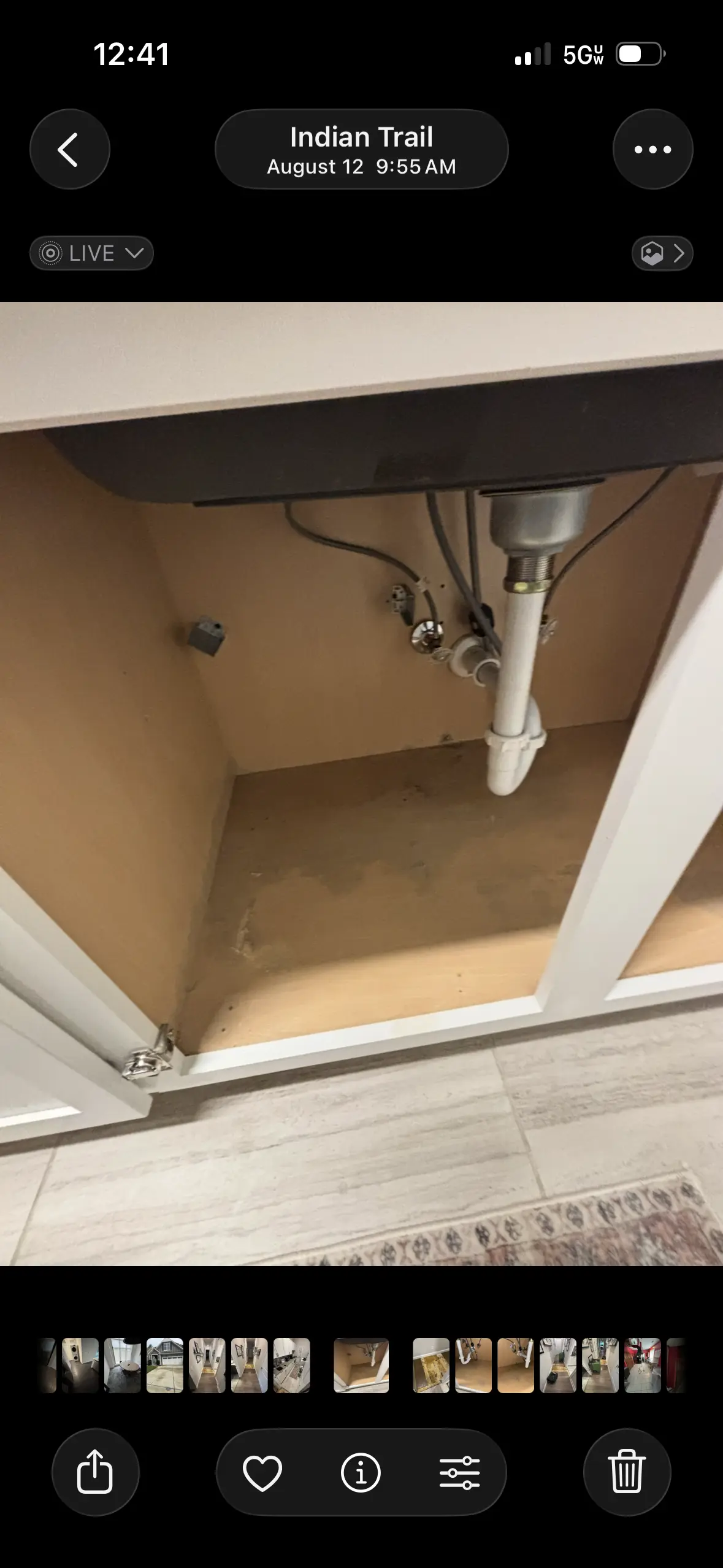
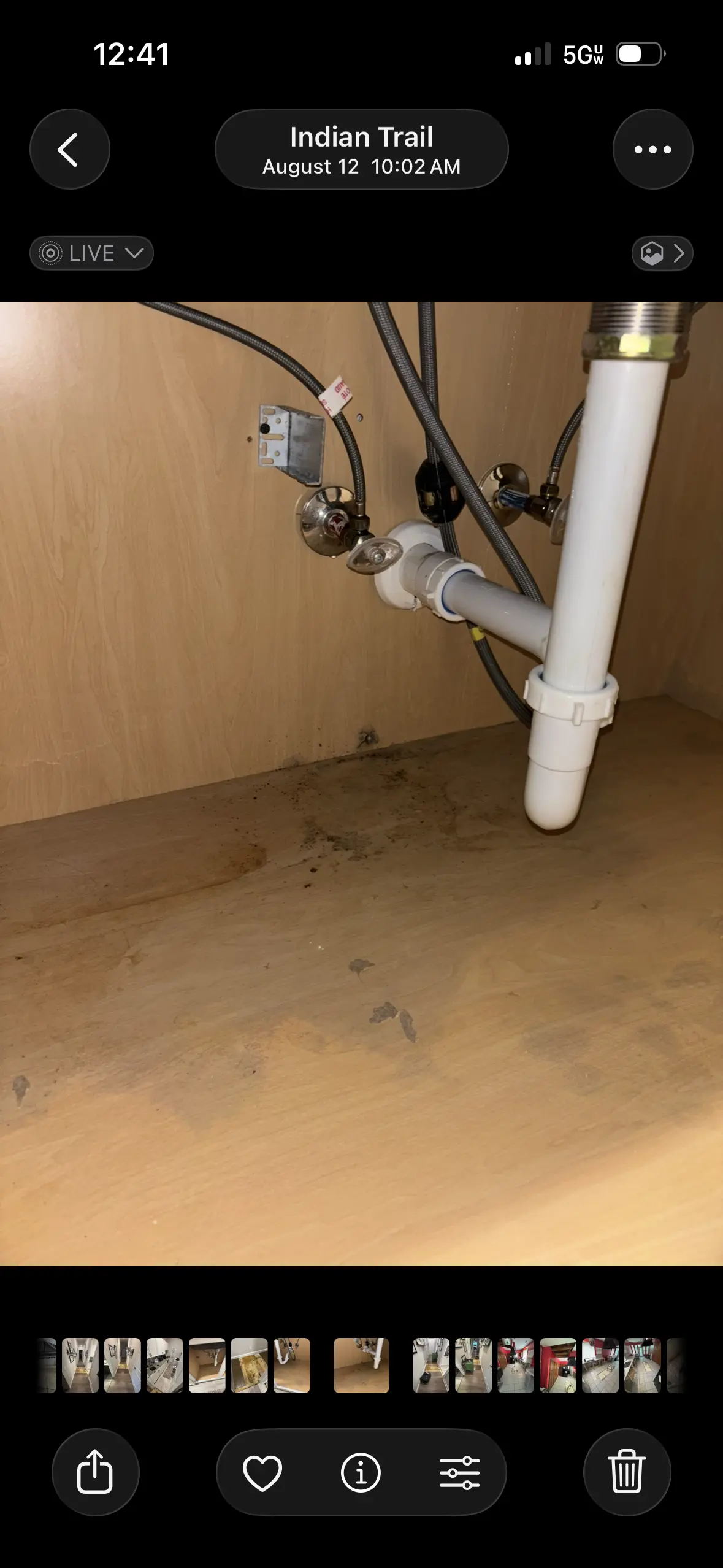
Next, try to stop the water source if it's something you can control, like a shutoff valve under a sink or your main water shutoff. Document everything with photos before you touch anything—your insurance company will need this later. Then call a professional immediately. Water damage in our humid Charlotte climate can lead to mold growth in as little as 24 to 48 hours.
While you wait for help, move what valuables you can to dry areas, but don't risk your safety trying to save furniture. Open windows if weather permits to start air circulation. The pros will bring the heavy equipment—your job is to minimize exposure and document the damage.
02
Signs You May Have Hidden Mold Behind Walls or Under Flooring
Mold doesn't always announce itself with obvious black spots on the wall. In Charlotte homes, especially older ones in neighborhoods like Dilworth, Plaza Midwood, or Myers Park, hidden mold often lurks behind drywall, under carpet padding, or in crawl spaces where moisture has accumulated over time.
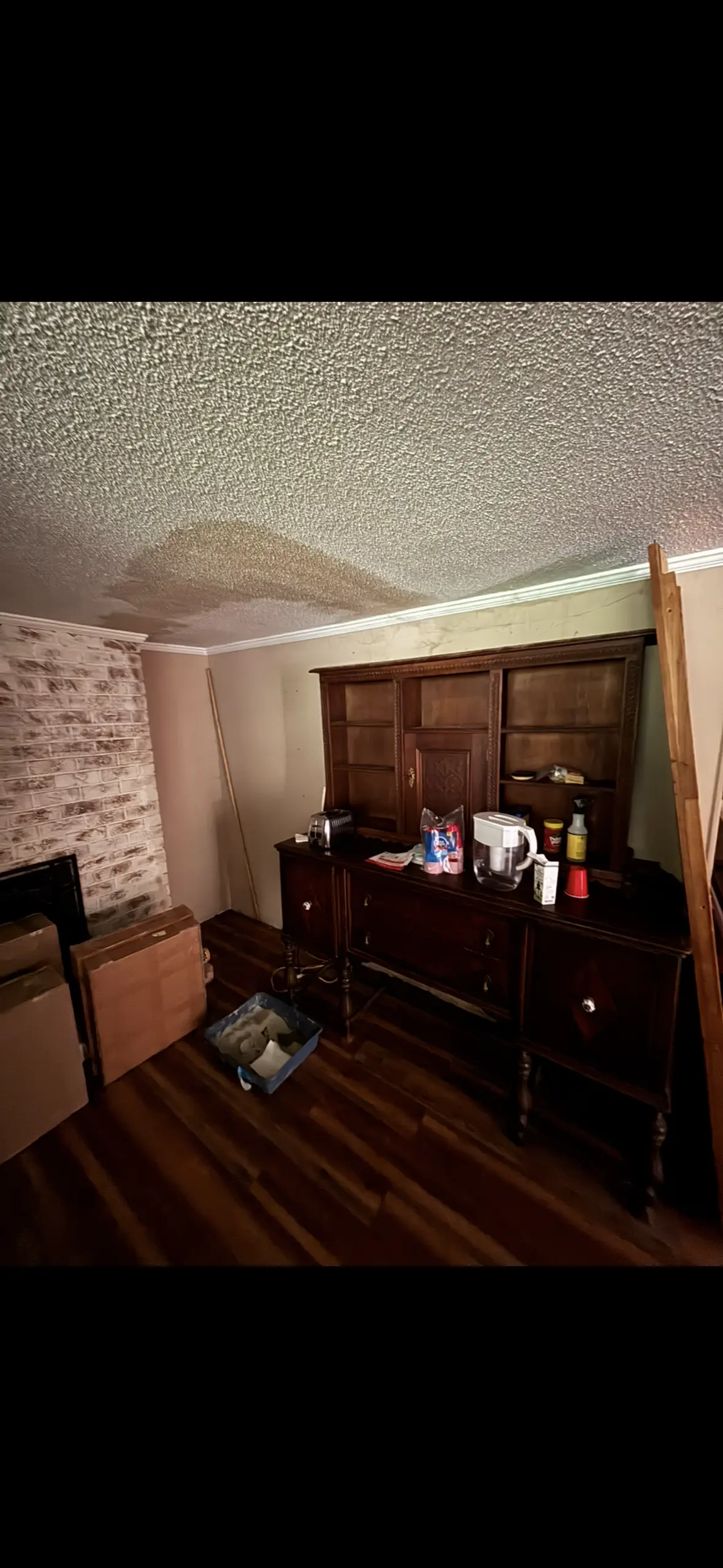
Watch for musty or earthy smells that won't go away, especially after rain or in rooms that feel more humid than others. Pay attention to unexplained allergy symptoms that improve when you leave the house—this is a major warning sign. Warped or bubbling paint, soft spots in walls or floors, and discoloration that spreads over time can all point to water damage and potential mold behind surfaces.
If you've had any water event in the past—even a small leak that you thought you fixed—it's worth having a certified mold inspector take a look. Professional testing can detect mold spores in the air and identify hidden colonies before they become a health hazard for your family.
03
When It Makes Sense to Remodel Instead of Repair After Damage
Not every water damage situation ends with putting things back exactly how they were. Sometimes, damage opens the door to upgrades you've been considering anyway. If your Charlotte home's kitchen cabinets were damaged by a dishwasher leak, and those cabinets were already 20 years old, insurance might cover the replacement cost—giving you a chance to upgrade to something you actually love.
Consider remodeling instead of simple repair when the damaged areas were already outdated or showing wear. This is especially true for bathrooms, kitchens, and basements where water damage often hits. The restoration work will already have walls opened up and fixtures removed—adding upgrades at this stage costs less than doing a separate remodeling project later.
Work with a contractor who can handle both restoration and remodeling to explore your options. They can help you understand what insurance will cover for replacement and what you might choose to pay out of pocket for upgrades. Many Charlotte homeowners have turned a frustrating flood into the beautiful new bathroom or kitchen they'd been dreaming about.
04
Basic Steps for Starting a Home Insurance Claim for Water or Flood Damage
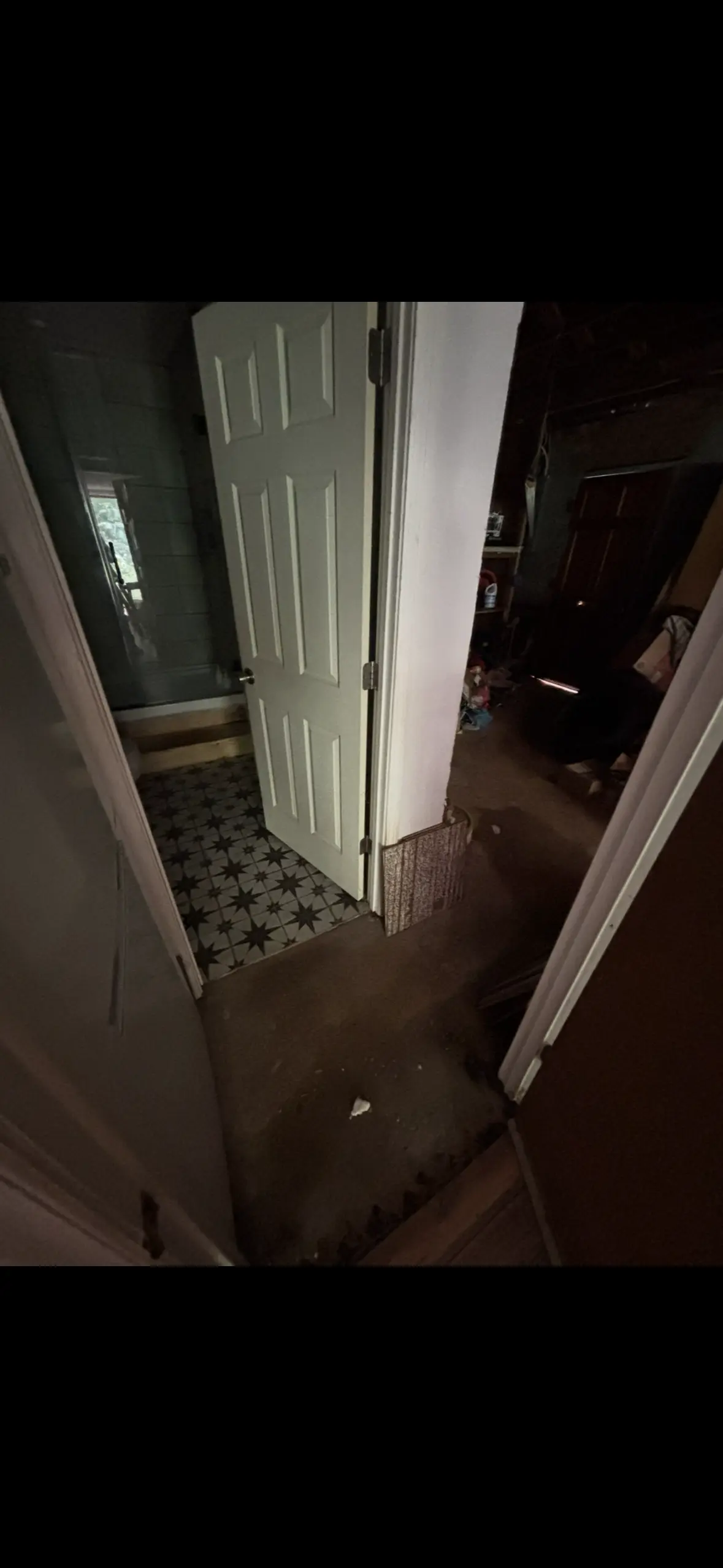
Filing an insurance claim after water damage can feel overwhelming, especially when you're already stressed about your Charlotte home. Start by documenting everything before you clean up—take extensive photos and videos of all damage, including close-ups and wide shots that show the full scope. Write down when you discovered the damage and what you think caused it.
Call your insurance company as soon as possible to report the claim. They'll assign an adjuster and give you a claim number. While waiting for the adjuster, take reasonable steps to prevent further damage—this might mean tarping a leaky roof or running fans to dry wet areas. Keep receipts for everything, including emergency supplies and any temporary repairs.
When the adjuster visits, walk through the damage with them and make sure they see everything. Don't accept the first settlement offer without reviewing it carefully. Working with a restoration contractor experienced in insurance claims can help—they know how to document damage properly and can provide detailed estimates that support your claim. You don't have to navigate this alone.